
















Reactions Among Southeast Asian Countries
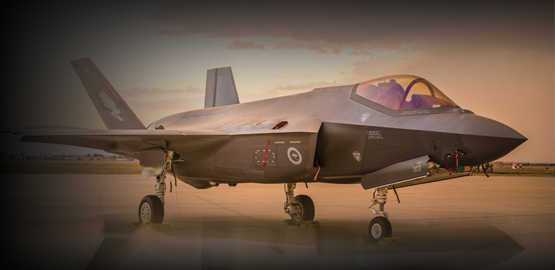
Southeast Asian countries are quietly raising the alarm over China’s aggressive stance over the South China Sea. While Southeast Asian officials go out of their way to avoid antagonizing China with bellicose rhetoric, their actions are most revealing. Almost without exception, the countries of the region are increasing their armaments, setting off a local arms race for submarines, modern fighter aircraft, and anti-ship missiles.
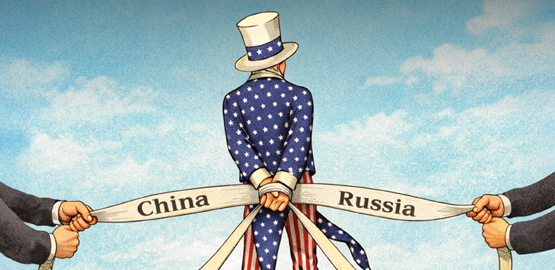
At the same time, regional countries face a “Goldilocks” dilemma: in the absence of convincing actions by the United States that it intends to meet China’s challenge, they want to hedge against China’s growing military might without antagonizing their powerful neighbor. In attempting to strike the right balance, Southeast Asian states have found that there is safety in numbers. They often jointly express their concerns over China’s maritime expansion and provocations. For example, at the ASEAN Regional Forum in July of last year, maritime issues with China were at the top of the agenda.
While regional leaders are reluctant to criticize China publicly, they stress the value of extra-regional partnerships, especially with the United States. Columnist Tom Friedman has called this desire on the part of regional states to involve the United States in the region “Containment-lite.” According to Friedman:
Each one of China’s neighbors is eager to have a picture of their president standing with Secretary Clinton or President Obama — with the unspoken caption that reads: “Honestly, China, we don’t want to throttle you. We don’t want an Asian cold war. We just want to trade and be on good terms. But, please, stay between the white lines. Don’t even think about parking in my space because, if you do, I have this friend from Washington, and he’s really big. … And he’s got his own tow truck.”[8]