












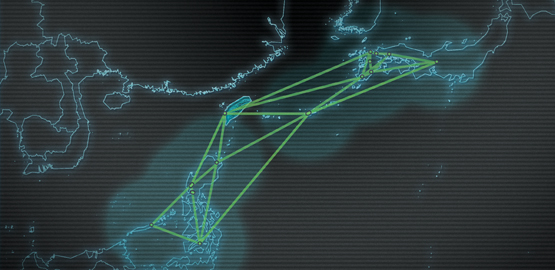
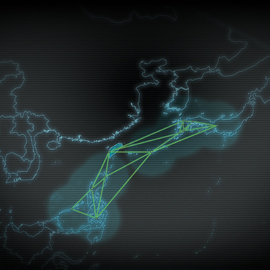

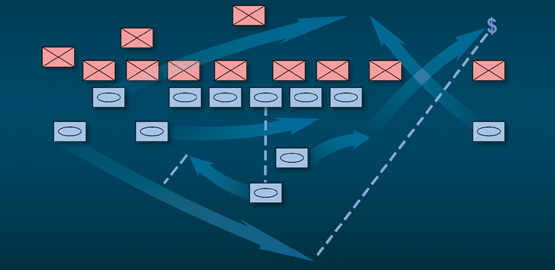


However, there are limits to how reliant countries in the region are likely to be on the United States to defend their interests. China’s continuing development of anti-access/area denial (A2/AD) capabilities including submarines, ballistic and cruise missile forces, fifth-generation fighters, and advanced air defenses, could potentially create a sea denial network stretching from the East China Sea to the South China Sea. The steady expansion of China’s maritime reconnaissance-strike complex is creating “no-go zones” in the Western Pacific, gradually eroding America’s ability to project military power into a region of longstanding vital interest. If the credibility of America’s ability to project power wanes, and regional states perceive a shift in the regional military balance, they will face a stark choice: either develop their own defensive capabilities or bandwagon with their large, militarily assertive neighbor. The question for U.S. policymakers is: how can the United States help countries in the region maintain stability in the face of China’s expansionist aims and military buildup?
Potential Next Moves
Looking ahead, there are five important steps the United States should consider in light of China’s increasing assertiveness and demonstrated propensity to militarize territorial disputes over the South China Sea:
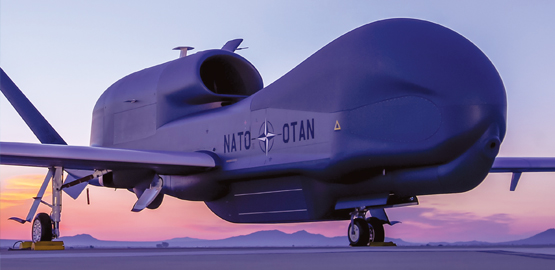
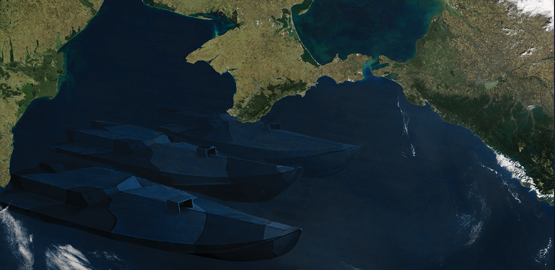
First, the United States should encourage Southeast Asian countries to develop their own “mini anti-access/area denial” defense postures. Regional states would benefit from the acquisition of wide-area maritime surveillance and sea denial capabilities, including long-endurance manned and unmanned maritime patrol aircraft; anti-submarine capabilities; anti-ship cruise missiles; fast attack boats; and naval strike aircraft. The aim should be to develop forces and postures that could credibly deny any hostile party’s attempt to seize disputed islands by force or to control disputed maritime areas militarily. The development of military postures optimized for patrolling and defending the sovereign airspace, land, and waters of these small regional states will require tailored and differentiated approaches given the varying geographic positions, resource levels, technical capabilities and defensive objectives of each country.