




















A Strategy for a Long Peace PDF Thumbnail

Creation of the organizational slack necessary for innovation and institutional reform of the Department of Defense (DoD), the armed forces and the defense industrial base. Freeing up human resources for transformation will require a critical review of current approaches to overseas presence, existing war plans and higher military education. Measures to increase competition in the defense technology and industrial base, increase incentives for independent research and development (IR&D), and bolster the profitability of new systems development are also needed. As transformation progresses, institutional change will likely be required of DoD and the armed forces, which could range from the creation of a new Service, to new career paths and institutions of higher learning.

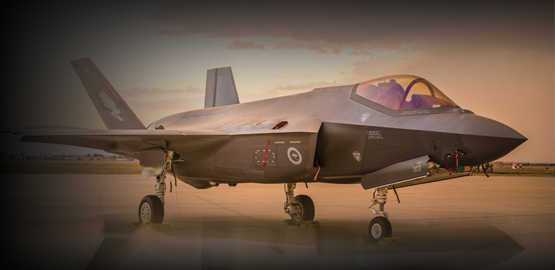
A procurement strategy in the near- to mid-term that emphasizes limited production runs of a wide range of new systems and service-life extensions and upgrades of existing systems. Until uncertainty is resolved concerning which new systems will be needed for future operations, and the technological flux likely to be associated with these systems has been substantially reduced, DoD’s procurement strategy should emphasize limited production runs of a wide range of systems. Where force structure concerns mandate expansion in fleet size or recapitalization, service-life extensions (e.g., Los Angeles-class attack submarines) and upgrades to existing systems (e.g., F-16 Block 60s) should be pursued to the maximum extent feasible.

Divestment strategies to eliminate capabilities that are a poor fit with the emerging strategic environment and to free up resources to support transformation. Transformation requires a divestment strategy, irrespective of the size of the defense top line. Divestment will be required to finance transformation, to retire or forego capabilities that are a poor fit with the emerging strategic environment and to swap legacy capabilities for transformational ones.

Meeting Near-Term Security Requirements

A range of initiatives can be undertaken to enable the US military to meet near-term security requirements, within existing and projected budget constraints, while incurring little increase in risk and also enabling transformation. These initiatives include:

Refocusing the Two-War Posture. Greater reliance should be placed on South Korea to provide ground forces for its defense. Similarly, if and when the Europeans field a rapid reaction force, they should be encouraged to make it available for a Persian Gulf contingency.