
















Taking this prudent step would not make the 2018 LRSS primarily a nuclear bomber. The overall argument in this report for moving forward as rapidly as possible to field a follow-on to the B-2 for long-range strike is based on examining a range of “generic scenarios.” In the case of conventional operations, these scenarios include:
- Situations requiring a sufficient radius of action from the last air-refueling point to reach targets deep in defended airspace;
- Conflicts in which there is a need to strike targets at intercontinental distances from the continental United States because in-theater bases are not available;
- Missions requiring the survivability to persist in defended airspace in order to prosecute time-sensitive targets;
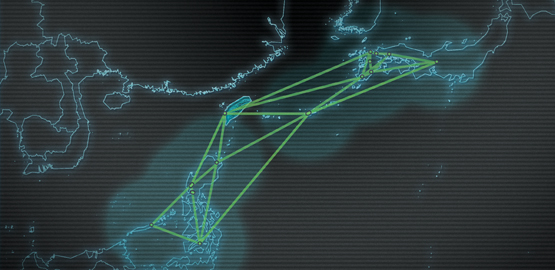
- Operations in which US forces must have the radius of action to be able to home-base beyond the reach of anti-access/areadenial capabilities;
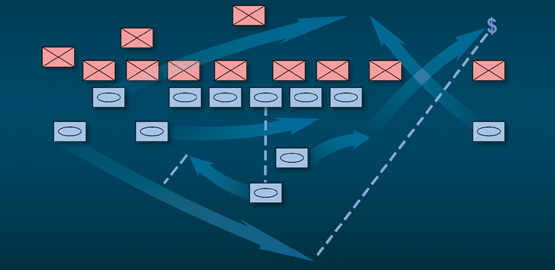
- Any campaign that that demands better matching of munitions to targets; and
- Circumstances requiring the ability to provide all-weather, round-the-clock/day-in-day-out indirect fire support to ground forces.
The central argument in this report is that need and urgency inherent in the first four of these six generic situations alone suffice to make a strong case for fielding a new LRSS in the early 2020s.
In addition, though, there are nuclear scenarios that not only merit consideration, but may strengthen the argument for both moving ahead with the 2018 LRSS and ensuring that it has adequate EMP hardening. These scenarios are far more speculative, and vastly more debatable, than the conventional ones. They hinge on the hypothesis that, in the case of small atomic arsenals in the hands of regional adversaries such as Iran, limited nuclear options may again be thinkable, just as they were from 1945 until the early 1950s. Whether the threat of nuclear use against a regional power with limited nuclear weapons and reach is used to deter or compel, manned bombers seem preferable to ballistic missiles because they give the president more time for second thoughts and allow the strike to be aborted at the last possible moment.
Of course, given the likely resistance to such ideas due to longstanding beliefs about nuclear deterrence and the catastrophic consequences of any nuclear use, the nuclear scenarios may not carry much weight in the eyes of some—or perhaps many—readers. For this reason, the primary case for the need and urgency to field a new LRSS between 2018 and the early 2020s hinges on the conventional scenarios, especially the first four of the six examined in this report. Of these four, the most important for the design of a next-generation, long-range strike system is adequate persistence and survivability in defended airspace to deal with time-sensitive targets. While this is an ambitious goal, investing the tens of billions of dollars that will be required to field a new LRSS while failing to provide this critical capability would seem to be a waste of taxpayers’ money.