










The US Navy: Charting a Course for Tomorrow’s Fleet PDF Thumbnail

Strategic Deterrent Fleet

After completing the ongoing mid-life refueling cycle for the first twelve of fourteen Ohio-class SSBNs, immediately reduce the strategic deterrent fleet to its final TFBN target of twelve boats. Commence work on the SSBN(X) design immediately.

Large Undersea Combat Systems

  • Begin a concerted research and development program for small manned undersea vehicles, autonomous underwater vehicles and other unmanned underwater systems, as well as a new generation of littoral ASW weapons.
  • Increase the build rate for Virginia-class SSNs to two per year no later than FY 2011, while continuing to upgrade the class in successive flights.
  • Convert the last two Ohio-class SSBNs to SSGNs at their regularly scheduled mid-life overhauls.
  • Develop new types of smaller, manned multipurpose, underwater vehicles designed for parasite operations from both SSGNs and SSNs.

Large Tactical Aviation Seabases

Slow the production rate of nuclear-powered carriers (CVNs) from one every four years to one every five years.
Consider accelerating both the current unmanned combat air system (UCAS) demonstration program and the planned operational debut of the Navy’s UCAS.

Large Battle Network Combatants

  • Halt production of the DDG-1000 after three ships, restart the Arleigh Burke-class DDG production line in FY 2010, and delay the start of the CG(X), now planned for FY 2011, until at least FY 2015.
  • Commence and complete the planned mid-life modernizations for fifteen of the twenty-two Ticonderoga-class cruisers, and all sixty-two of the authorized Arleigh Burke-class destroyers. Retire the first seven Ticonderoga-class cruisers early.
  • Immediately begin designing a new modular large battle network combatant (LBNC) which would have a conventionally-powered, integrated electric propulsion and power system similar to the system designed for the DDG-1000, but with more advanced electric motors.

Small Battle Network Combatants

Ramp up production to a maximum of four new Littoral Combat Ships (LCSs) per year and sustain that rate even after reaching the 55-ship TFBN target.

Naval Special Warfare/Naval Expeditionary Combat Command Ships and Craft

  • Build six Joint Multi-Mission Submersibles as rapidly as possible. Develop an even smaller manned multipurpose underwater vehicle (MMUV), designed to fit vertically inside an SSGN or SSN payload tube.
  • Stand up a dedicated special warfare helicopter squadron with MH-60S helicopters, modified as necessary to support the clandestine, low-level insertion of SEAL Teams and other special operations personnel.
  • For each of the seven aforementioned Global Fleet Stations, build/convert and assign one station command ship (a retired amphibious landing ship manned and crewed by the Military Sealift Command); a Naval Reserve Force Maritime Security Frigate (based on the Legend-class National Security Cutter); one Joint High Speed Vessel; one riverine squadron of thirteen boats; and four Coastal Patrol Ships.

Naval Maneuver and Maneuver Support (Prepositioning) Ships

  • Size the TFBN naval maneuver and maneuver support fleet to support a naval maneuver operation with two Marine Expeditionary Brigades (MEBs), reinforced by three additional brigades delivered by a combination of maritime prepositioning force (MPF) ships (vehicles and supplies) and airlift (personnel).
  • Cancel the Future MPF squadron as now configured. Build only three Mobile Landing Platforms, and assign one to each legacy MPF squadron.
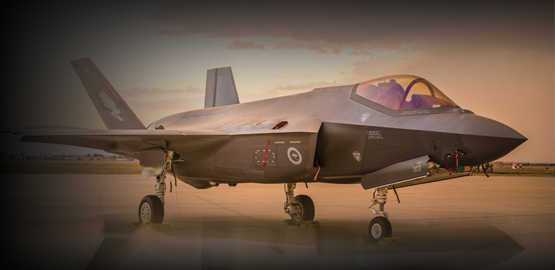
  • Build “escort carriers” (CVEs) designed to carry Marine Corps F-35B short take-off and vertical landing aircraft.
  • Build an eleventh LPD-17 in FY 2010, and then build eleven LSD replacements based on the LPD-17 hull at a rate of one per year between FY 2011 and FY 2021.
  • Take the seven Whidbey Island and Harpers Ferry-class LSDs in best condition, transfer them to the Military Sealift Command, give them a modest mid-life up-grade, and use them as the command ships for the aforementioned Global Fleet Stations. Retire the remaining five ships.